Guide
The PM routine for anyone using retinol
How to layer eye cream, moisturisers, and active treatments without pilling — especially relevant if your pick contains retinol or retinal.
In developmentAzelaic acid is used in products for several skin concerns, but product evidence and individual tolerance vary. We compared four Korean serums using disclosed ingredient listings, stated concentrations where available, formulation context, and value.
We may earn a commission when you buy through our links, at no extra cost to you. Rankings are decided independently before retailer rates are considered. How we earn.
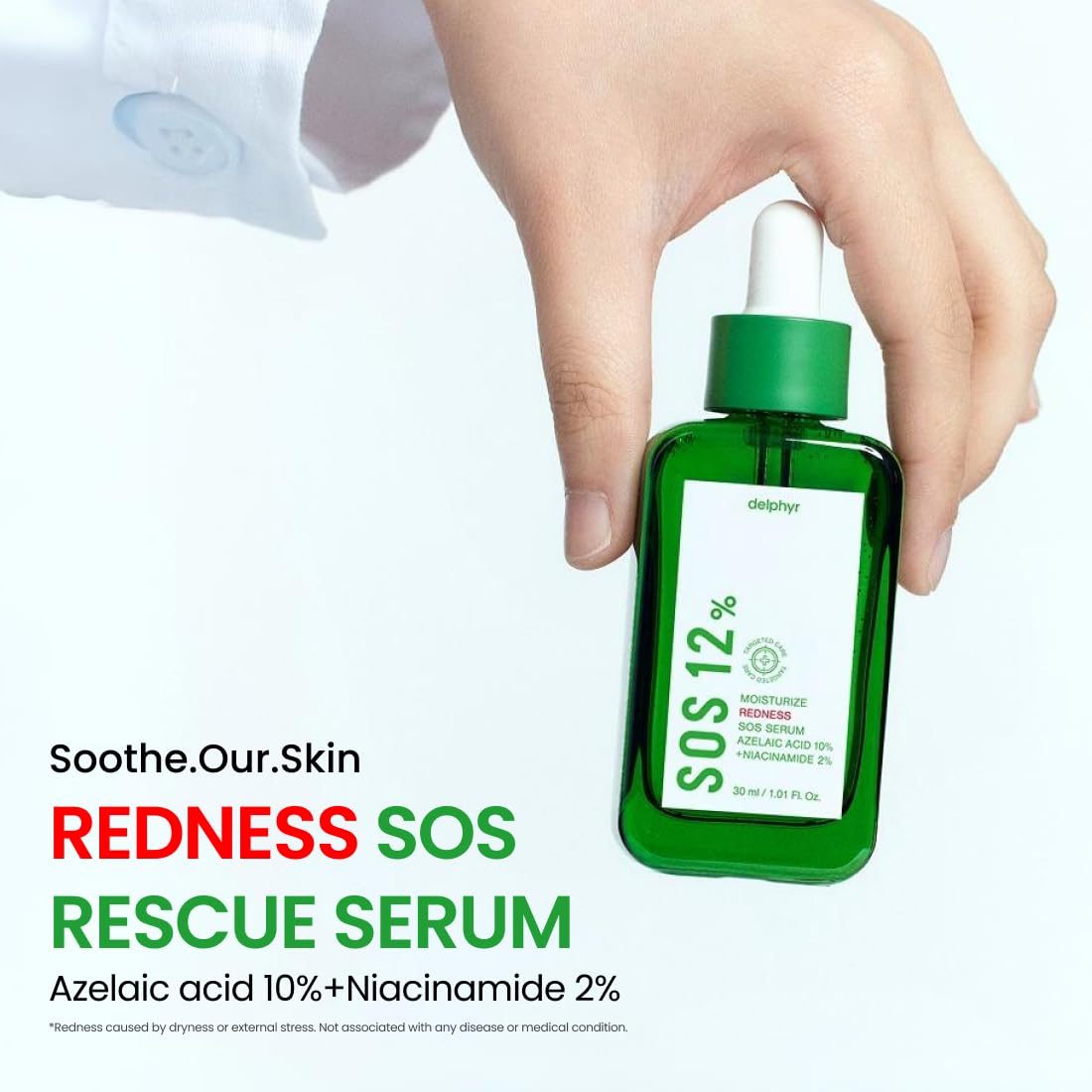
We retained the four existing recommendations and rechecked the exact product identity, stated concentration, ingredient evidence, and retailer destination. Official product pages support the stated concentrations for ANUA, TIRTIR, and PURITO. Delphyr remains an evidence-gap alternative because an authoritative formula page was not located.
Rankings reflect formula fit and the strength of the retained product evidence, not retailer review totals. Ingredient order provides context but is not a concentration assay. Prices and stock can change; the linked retailer pages are the source of current commercial terms.
Look for 'Azelaic Acid' in the exact product's ingredient list. Derivatives such as Potassium Azeloyl Diglycinate are different ingredients and should not be presented as the same concentration.
ANUA and PURITO state 10%; TIRTIR states 12%. A higher label percentage does not prove better results or tolerance, so compare the full formula and follow the product directions.
Humectants, soothing ingredients, fragrance, and essential oils may matter to routine fit. Patch-test when your skin is reactive; this comparison does not establish treatment outcomes.
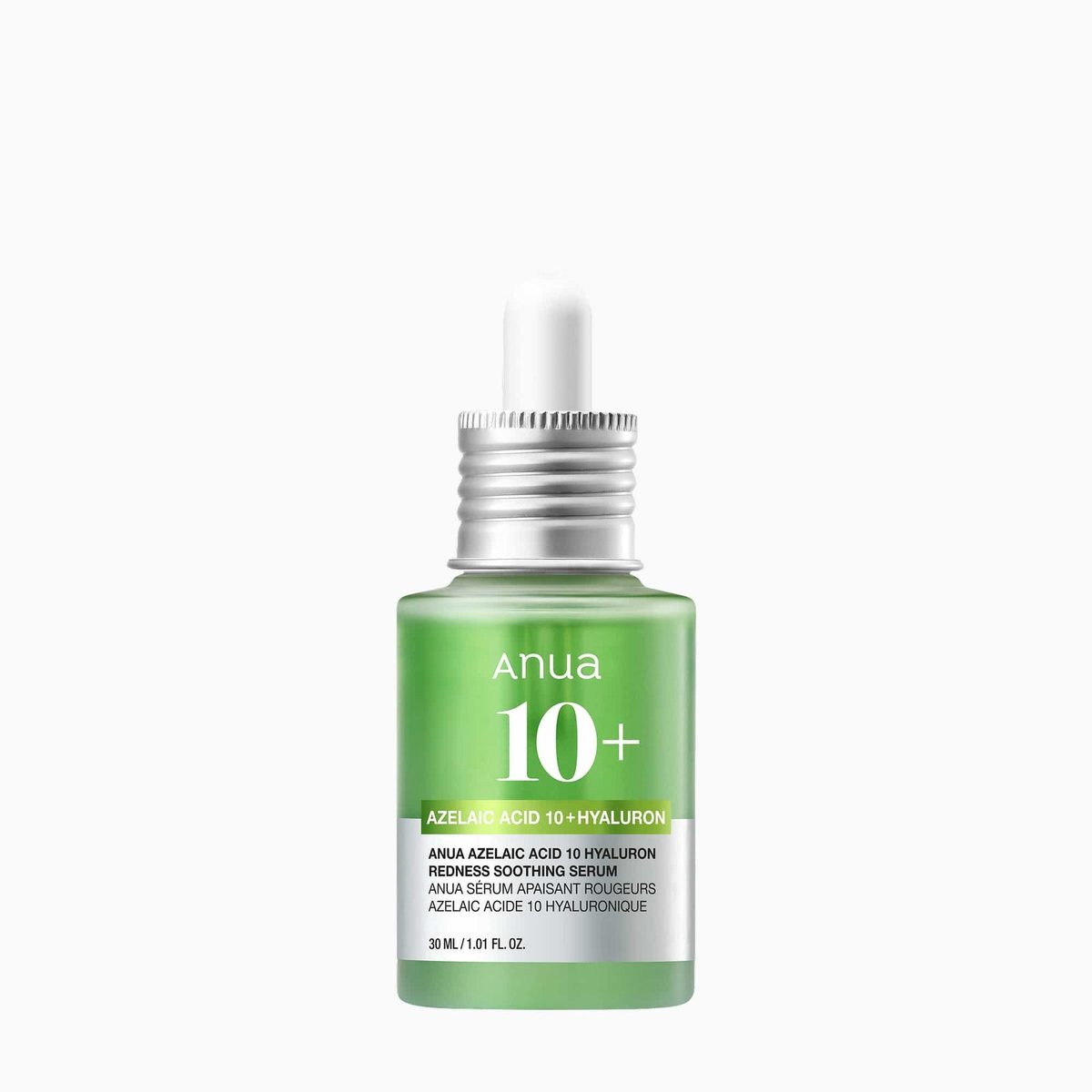
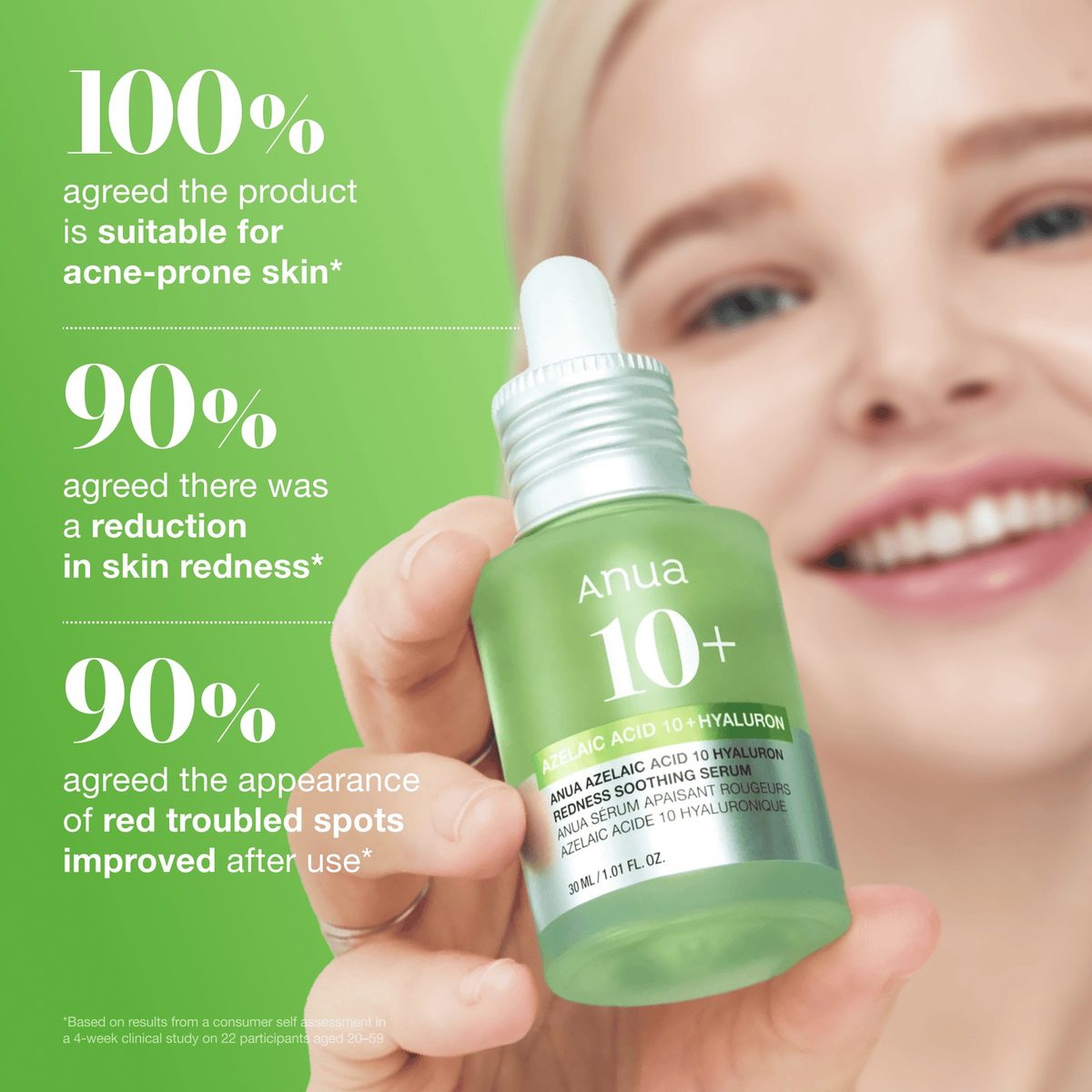
ANUA's official US page states 10% azelaic acid and lists Azelaic Acid in the exact serum's ingredient deck. It also lists centella-derived ingredients, hyaluronic-acid forms, panthenol, ceramide NP, niacinamide, and allantoin.
Those disclosures make the formula comparatively easy to identify. They do not prove that it will treat redness or blemishes for a particular reader, and retailer reviews are not used as efficacy evidence.
Both retained buying links are US storefronts. Price and stock were not reverified through the affiliate destinations, so compare the current terms before ordering.
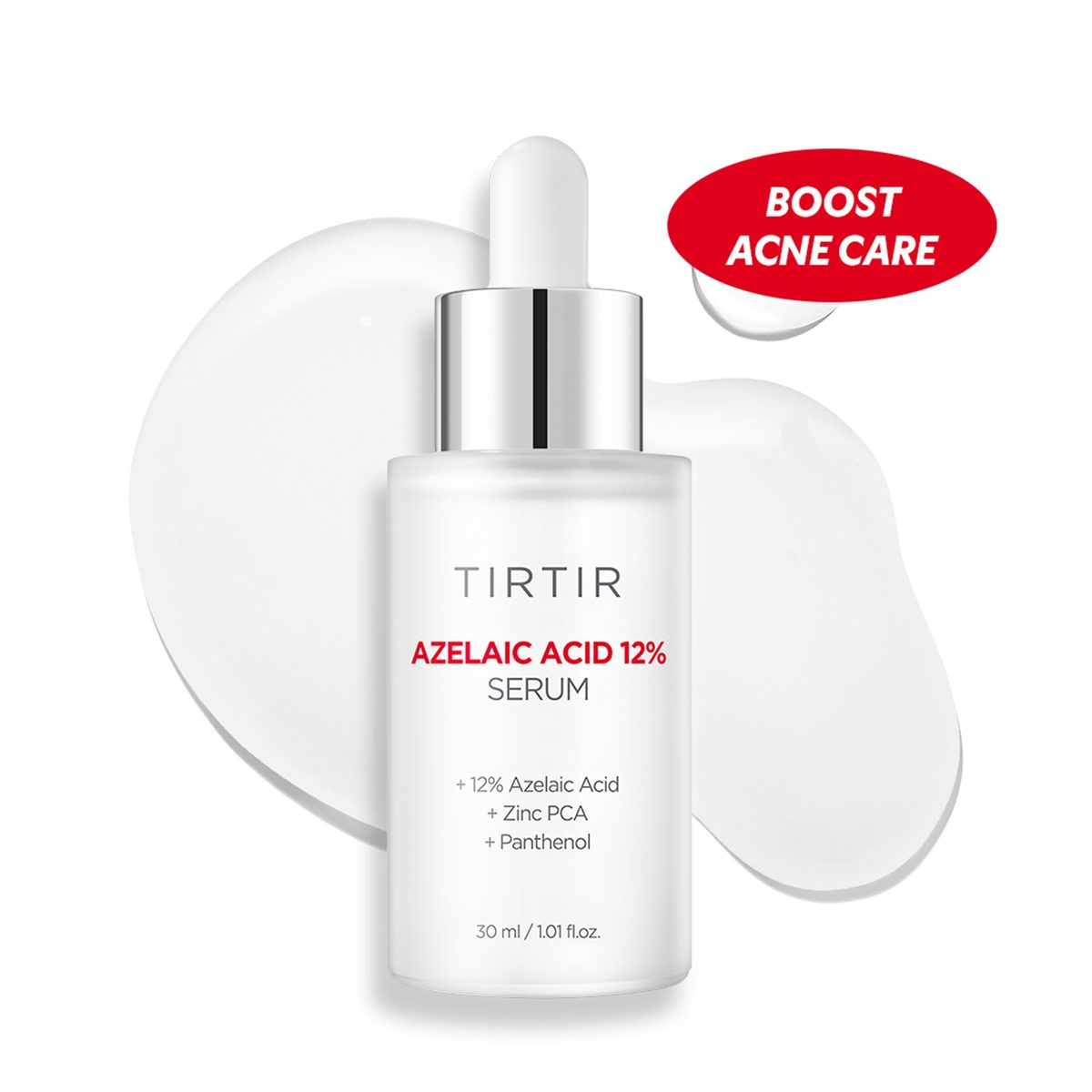
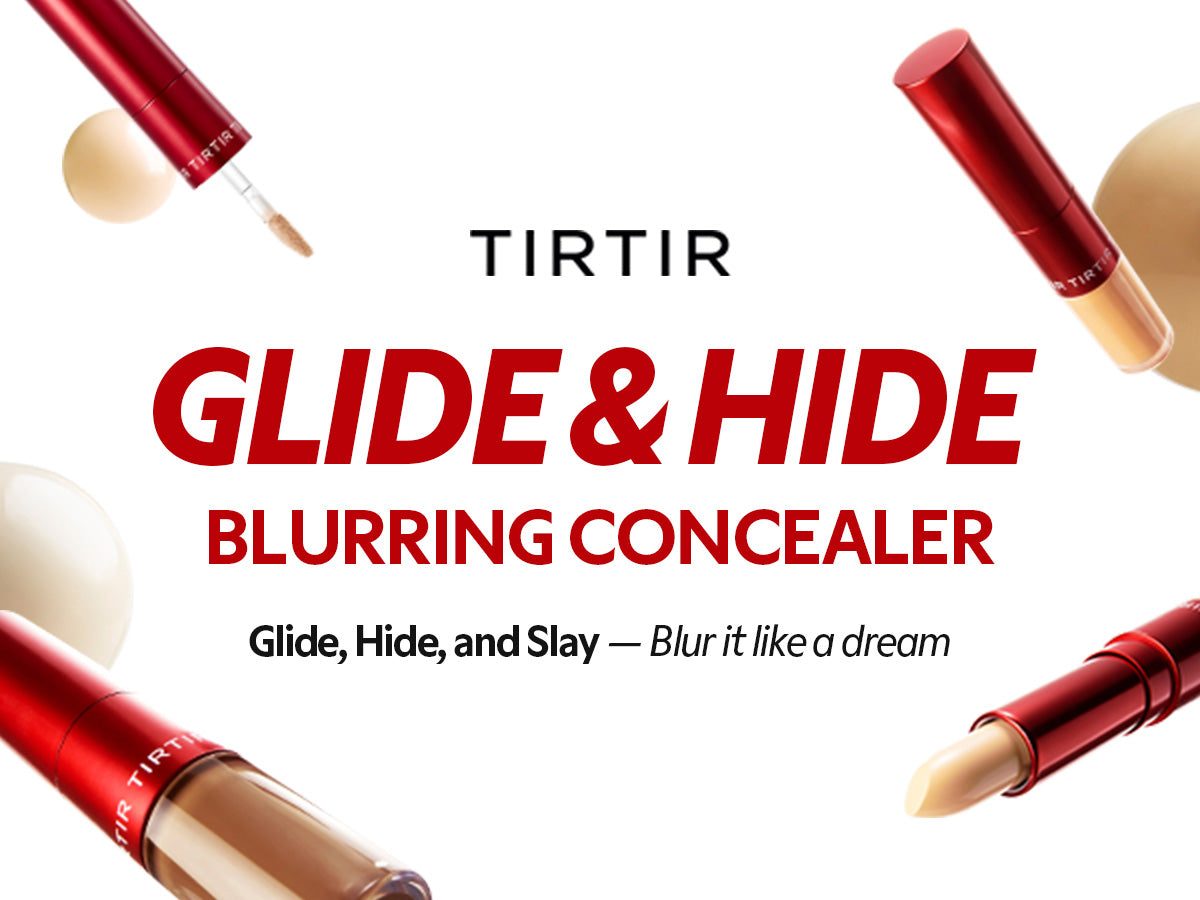
TIRTIR's official page states 12% azelaic acid and lists Azelaic Acid in the formula. That is the highest disclosed percentage among these four products, but a higher percentage does not establish better results.
The retained official page does not establish a current size, price, or availability. The affiliate destination is Amazon US, whose current availability and price were not reverified in this audit.
Patch-test and follow the product directions, particularly if your skin is reactive. The brand's efficacy language is not treated as independent evidence here.
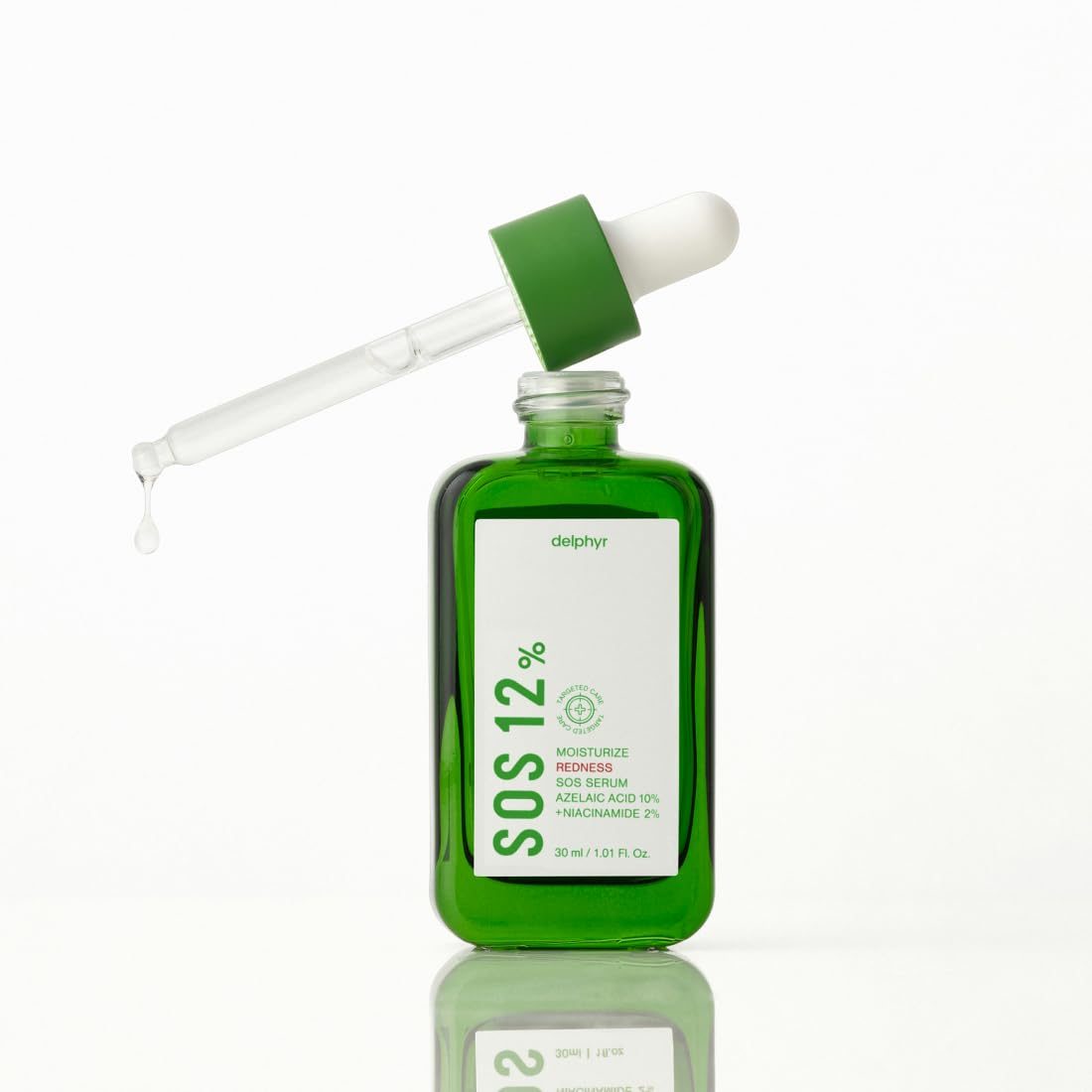
Delphyr remains in the original four-product selection so readers can identify the exact variant, but it carries the clearest evidence limitation in this roundup.
The retained research did not locate an authoritative exact-product ingredient page. Verify the packaging and current retailer ingredient list rather than relying on the product name alone.
YesStyle offers an international storefront and Amazon is the US option. Prices, stock, and destination-market eligibility can change.
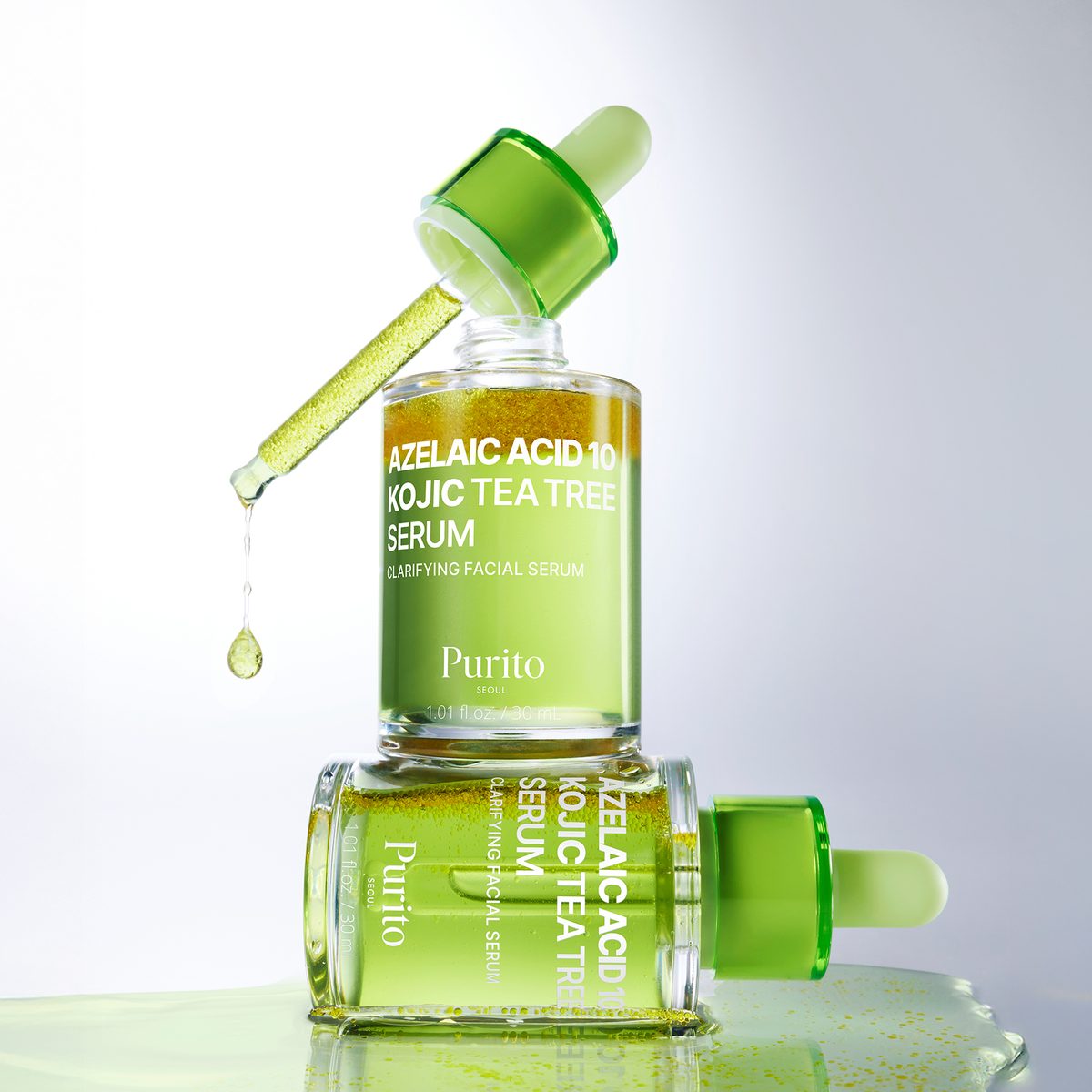
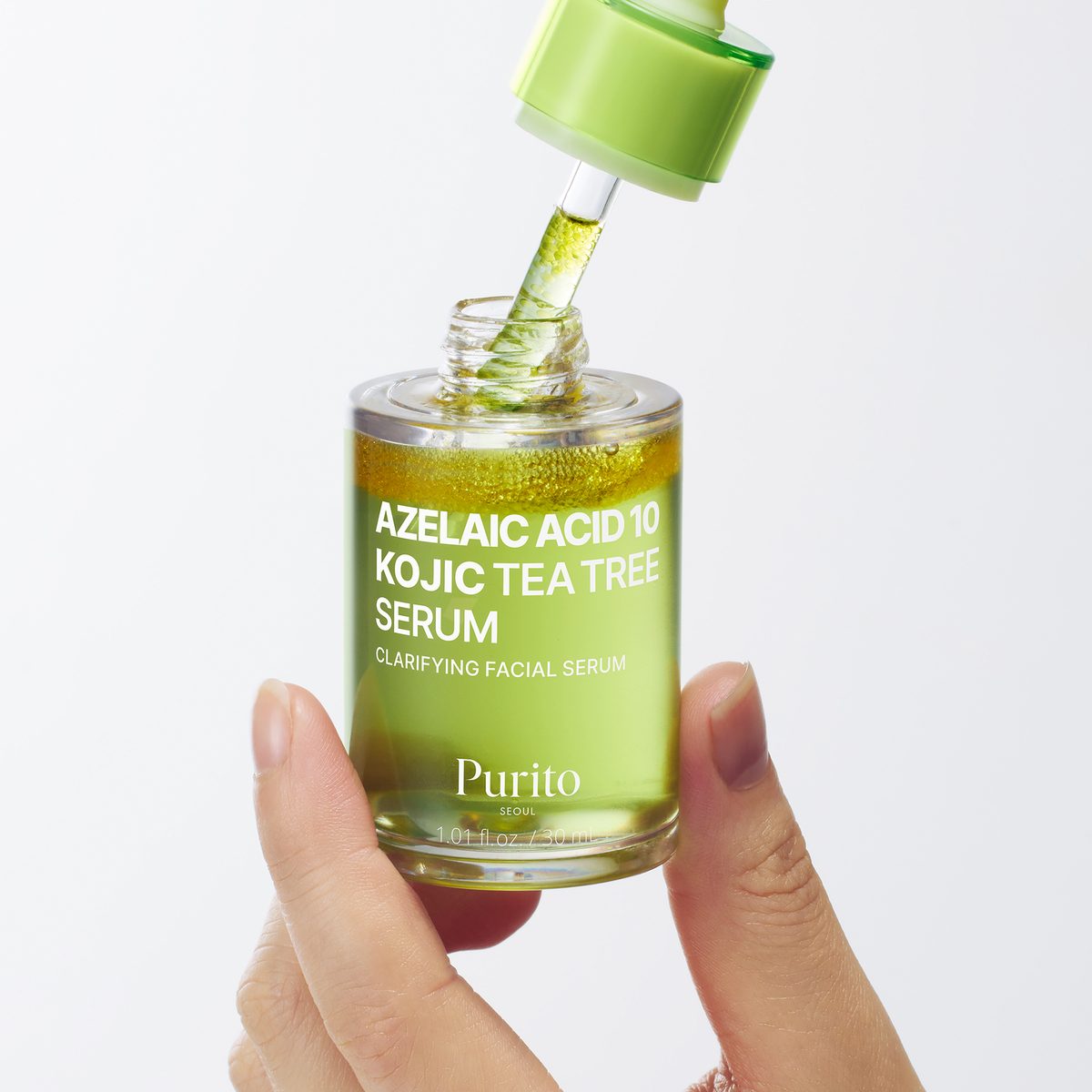
PURITO's official US page states 10% azelaic acid, 10% tea-tree leaf water, 1,000 ppm kojic acid, and 50 ppm tea-tree leaf oil in a 30 ml serum.
That makes it the clearest multi-ingredient option in this comparison. The ingredient disclosures explain its product fit; they do not prove combined clinical outcomes.
The official page displayed $25 during the evidence capture. Amazon US and Stylevana US are retained affiliate destinations, but their current prices and stock were not reverified.
These ordinary source links are separate from the buying links. ANUA, TIRTIR, and PURITO links are official product pages for their named claims. The TIRTIR page supports the named 12% concentration and INCI, but the retained evidence does not establish its size, price, or availability. Delphyr remains a retailer-documented comparison entry with no authoritative exact-formulation page retained.
How to layer eye cream, moisturisers, and active treatments without pilling — especially relevant if your pick contains retinol or retinal.
In developmentHow product-specific DNA sources, naming, and concentration claims differ across topical formulas.
In developmentFive products, two weeks, and what to reach for when your skin won't stop stinging — including the eye area.
In development